Cybersecurity
From demo-led to self-serve. How RealTyme made encrypted comms simple enough to sell itself.
A trusted security platform that needed to be self-serve without giving anything up. We made privacy feel easy.
Converted
New cusomers
Increased
User satisfaction
Upsold
Existing clients
The challenge
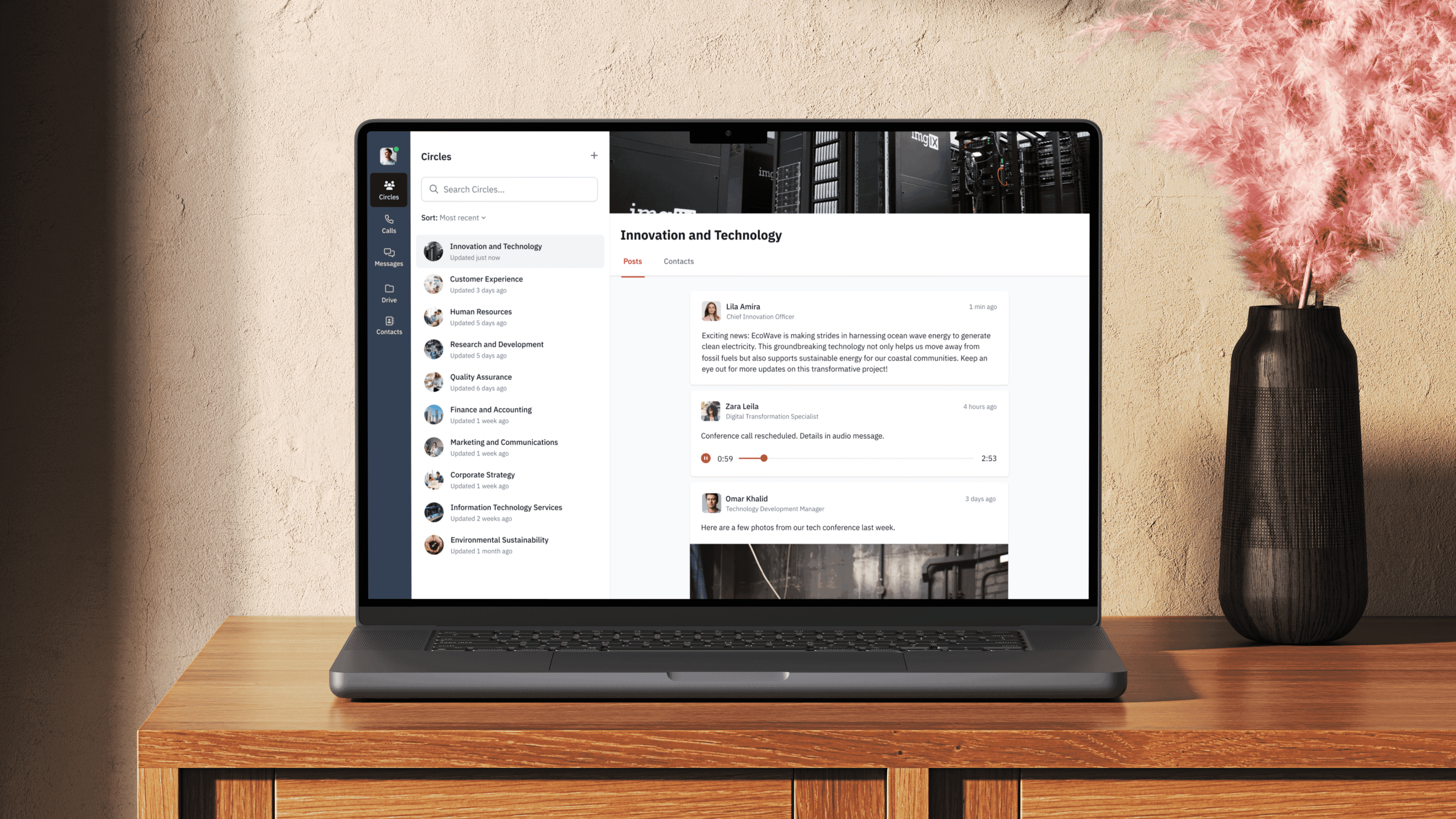
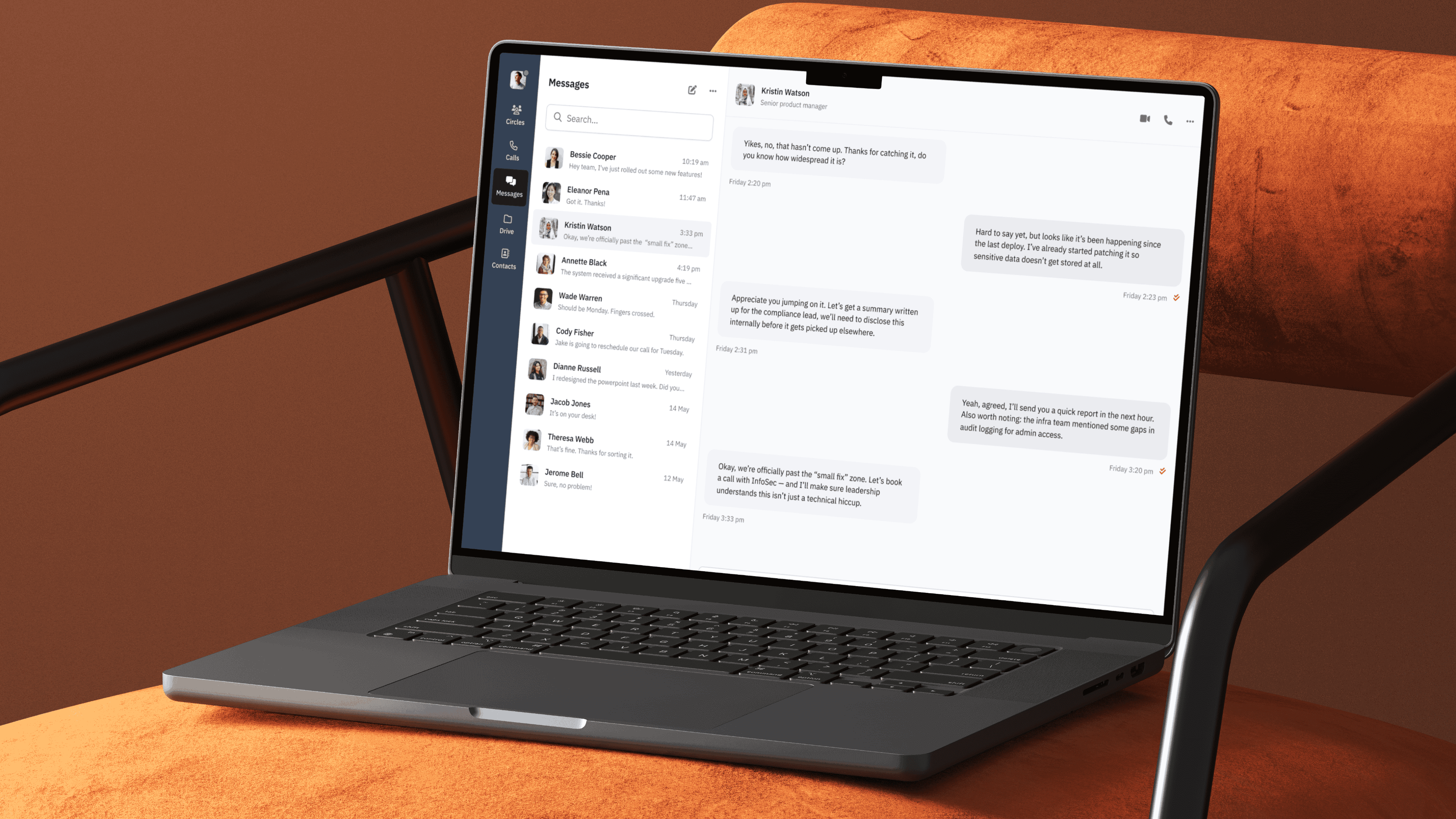
RealTyme is a secure communications platform for security-conscious organisations, chat, calls, meetings, file sharing, and Private Circles, all built around privacy and data control. Customers trusted it, but every new account took serious hand-holding to get started. That didn't scale.
To grow, RealTyme needed to transform from high-touch enterprise to genuinely SaaS, easy enough to land new users with fewer sales conversations, and clear enough to upsell existing ones. The challenge was that security-led products usually sacrifice their privacy with usability, and the team couldn't afford to compromise customer trust.
The approach
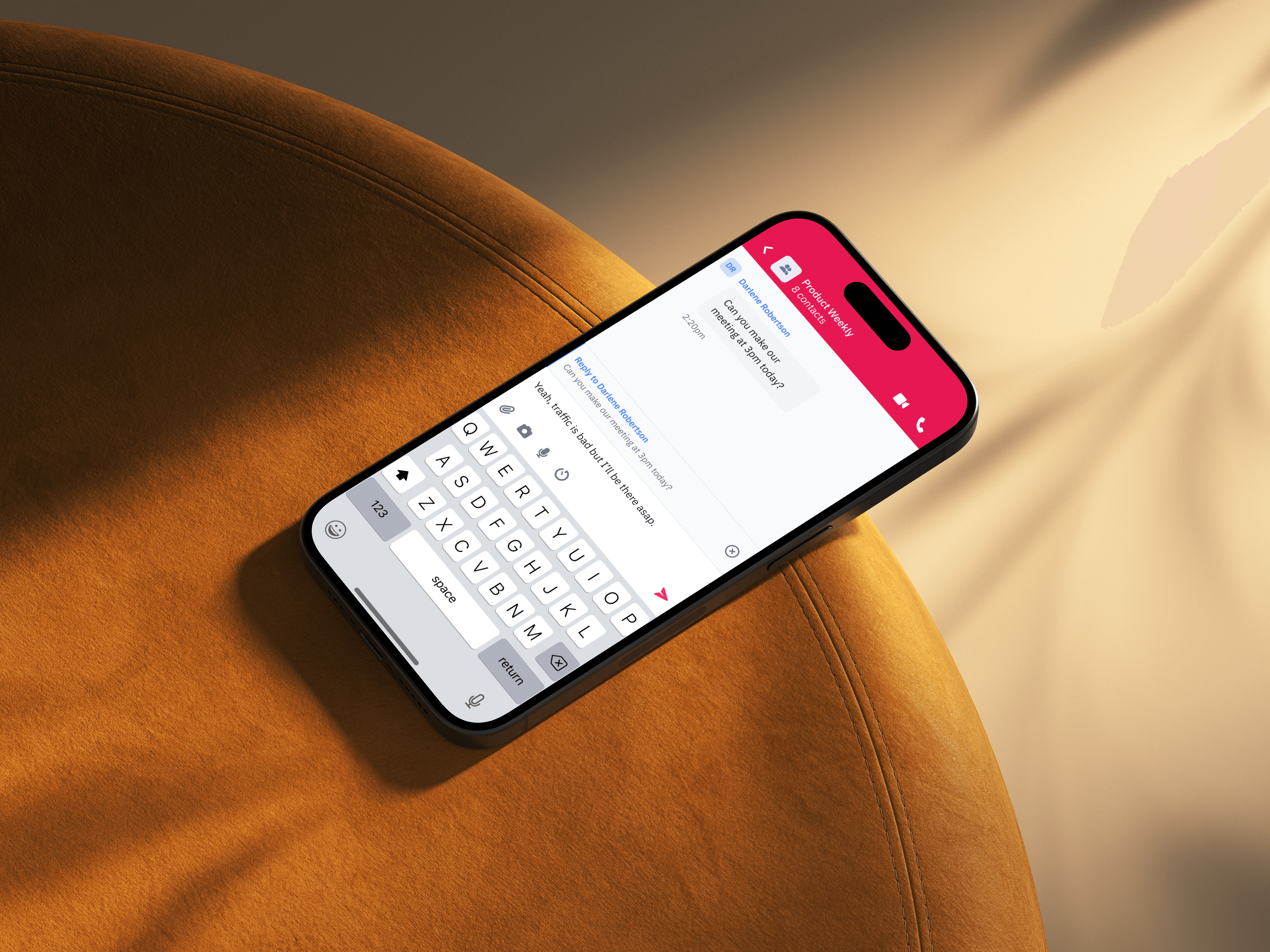
Across 3.5 years I worked with the team on the entire application, mobile, tablet, and desktop, covering onboarding, backup and restoration, Private Circles, focus mode, calls, messages, the drive, and everything in between. One thing held the work together. Security should feel like part of the product, not something the user has to navigate around.
That meant treating security features as part of the experience, not obstacles inside it. Backups, restoration, and Circles were designed to feel like everyday products, not compliance hurdles. Onboarding got people into value without explaining the architecture underneath.
The outcome
More new users converted into paying customers, and existing customers were upsold into more of the platform, both driving commercial growth. The product became easier to adopt at scale, which meant RealTyme could grow beyond the early, high-touch accounts. G2 users rate it 4.4/5, with reviews highlighting a platform that's "very clear and easy to use" without compromising on the security it's known for.
RealTyme moved from a product that needed selling to one that could sell itself, which is the only version of the company that scales.
Lesson
Founders building security-led products tend to accept a trade-off that isn't really there. They assume their experience will be harder to use than the consumer tools users compare them to, because that's the supposed cost of privacy. But it isn't. It looks unavoidable because most security products were built by teams optimising for security, not for the people using it. Treat security features as part of the product experience, design them with the same care as everything else, and security stops fighting usability.
“We've upsold existing clients and converted new ones.”
“Simon produced incredibly effective results within a very short amount of time. We've not only gained competitive advantage but also increased customer satisfaction which started to pay off commercially by upselling through existing clients and converting new ones.”